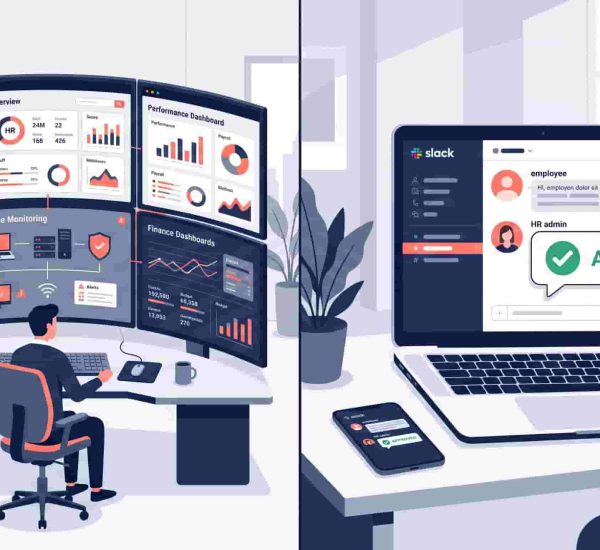
Employee benefits are more than just perks — they are an essential component of a well-rounded workplace, shaping the employee experience, satisfaction, and retention. For HR professionals, understanding the benefits of an employee and offering a competitive company benefits package can dramatically influence the success of any organization. In this blog, we’ll explore the various benefits for employees, the importance of these benefits, and how to create a compelling employee benefits package that keeps your workforce motivated.
Employee benefits in 2026 have evolved from standard perks to “Total Rewards” systems that prioritize personalization, mental health, and financial wellness. A competitive employee benefits package now includes statutory requirements like workers’ compensation alongside discretionary perks like fertility assistance, home office stipends, and student loan repayment. To drive retention, HR professionals must focus on asynchronous benefit access and inclusive policies that support diverse family structures and neurodiversity, ensuring that benefits are not just offered, but utilized.
What Are Employee Benefits?
Employee benefits are non-salary compensation that organizations offer to their staff through various programs, services, or policies. These benefits for employees play a vital role in enhancing job satisfaction, loyalty, and productivity. Some common examples of employment benefits include employee health insurance, paid time off, and employee wellness programs.
Types of Employee Benefits
The specific benefits for an employee can differ based on the organization’s needs, location, and industry. For example, in the U.S., employee health insurance is a key part of most employee benefits packages, while in France, many employees receive restaurant vouchers for each workday.
In general, employees’ benefits can be divided into two categories:
1. Statutory Benefits: These are workers’ benefits that employers are legally required to provide based on local laws. Examples include unemployment insurance, worker’s compensation, and family leave policies.
2. Discretionary Benefits: These are additional staff benefits that companies choose to offer to enhance employee satisfaction. These may include retirement plans, employee insurance, and company benefits packages that go beyond what’s required by law.
A well-rounded company benefits package not only helps in attracting top talent but also plays a crucial role in retaining them. Having the right mix of employee benefits can make a significant difference in the long-term success of the organization.

The Importance of Employee Benefits
Providing employee benefits is crucial for organizations, not only to comply with legal requirements but also to foster a supportive and productive work environment. A robust employee benefits package offers numerous advantages that can significantly impact both recruitment and retention.
Attracting Top Talent
In a competitive job market, having an appealing benefits for employees package can set your organization apart. While salary is essential, many candidates place significant importance on employment benefits. For instance, 88% of job seekers consider offerings like health, dental, and vision insurance, along with flexible work hours, when evaluating job opportunities. A compelling benefits package can help candidates determine which job positions them best financially.
Improving Employee Retention
The diversity of benefits for an employee varies by organization, and providing options that meet employee needs can enhance retention. When employees feel their specific requirements are met, they are more inclined to stay with their employer. Companies that receive high ratings for compensation and benefits typically see lower employee turnover, demonstrating the strong link between thoughtful benefit offerings and workforce stability.
Fostering Workplace Inclusion
A well-chosen benefits package can also promote inclusion within the workplace. By offering diverse staff benefits that address varying employee needs, organizations showcase their commitment to an inclusive culture. Examples of inclusive benefits include parental leave for all types of parents, floating holidays, domestic partner benefits, and flexible scheduling options.
Promoting a Healthy Workforce
Many employee benefits are designed to support the health and wellness of staff. Access to quality medical care, wellness programs, and enrichment opportunities enables employees to prioritize their well-being. Healthy employees tend to be more productive and are less likely to miss work, contributing to a more efficient workplace.
Increasing Employee Satisfaction and Loyalty
Investing in employees’ benefits signals to workers that they are valued and appreciated. When employees perceive that their employer is committed to their well-being, they experience a greater sense of fulfillment. Research shows that satisfied employees are 70% more likely to remain loyal to their employer and are twice as likely to be content with their jobs. This heightened satisfaction leads to an overall improved employee experience, reinforcing the importance of a comprehensive employee benefits package.
In conclusion, offering meaningful benefits for employees is not just a regulatory obligation; it’s a strategic investment that yields significant returns in the form of employee satisfaction, loyalty, and organizational success.
22 Employee Benefits You Can Offer to Your Employees
1. Health and Wellness Benefits
Employee health insurance
Covers medical, dental, and vision care, reducing healthcare costs for employees.
Employee wellness programs
Support physical and mental well-being, offering services like gym memberships, stress management, or counseling.
2. Financial and Insurance Benefits
Retirement plans
Includes 401(k)s or pensions, providing future financial security.
Employee insurance
Offers life, disability, and accident insurance for added financial protection.
Flexible spending accounts (FSAs)
Allow employees to set aside pre-tax money for healthcare or dependent care expenses.
3. Paid Time Off and Work-Life Balance Benefits
Vacation and sick leave
Paid time off to recharge or recover.
Parental leave
Time off for new parents, often offering benefits for all caregivers.
Flexible working hours
Helps employees maintain a better work-life balance.
Accessible Time Off
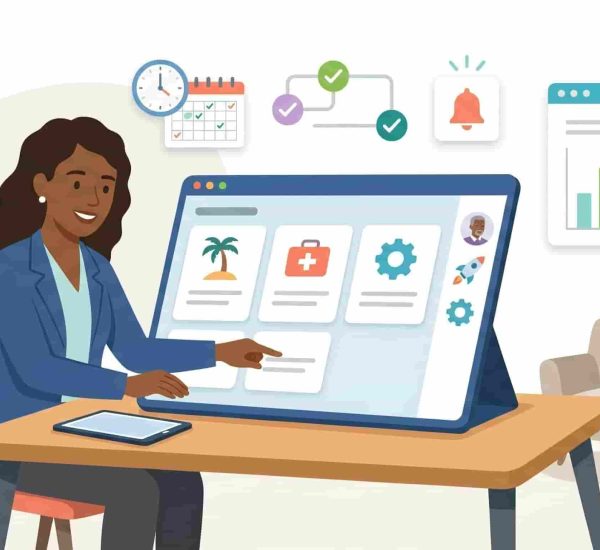
Most companies default to either cumbersome leave request software or complicated management through emails and spreadsheets. Easy-to-use and request tools like AttendanceBot are an added employee benefit by making time off easier to manage for employees.
4. Career and Personal Development Benefits
Tuition reimbursement
Helps employees further their education.
Professional development programs
Offers skill-building opportunities, mentoring, and career coaching.
5. Perks and Additional Benefits
Employee discounts
Offers discounts on company products or services.
Remote work options
Supports flexible working environments for better productivity and satisfaction.
6. Workplace Flexibility
Remote work
Enables employees to work from home, providing flexibility and increasing work-life balance.
Compressed workweek
Offers employees the option to complete their workweek in fewer days.
7. Social and Family Support Benefits
Childcare assistance: Provides on-site childcare or reimbursement for childcare expenses.
Elder care support: Helps employees manage care for aging relatives, offering leave or financial assistance.
8. Transportation and Commuting Benefits
Commuter benefits
Covers public transit costs or offers parking subsidies.
Car allowances
Offers financial support for employees using personal vehicles for work purposes.
9. Recognition and Incentive Programs
Performance bonuses
Financial rewards for meeting or exceeding targets.
Employee recognition programs
Offers awards or incentives to acknowledge exceptional performance.
10. Legal and Financial Assistance
Legal services
Provides access to legal aid for personal or professional matters.
Financial planning
Offers resources like financial counseling or retirement planning.
These diverse employee benefits packages not only help attract and retain talent but also enhance employee satisfaction and loyalty by addressing various needs across health, financial well-being, and personal development.

What are Some More Unique Employee Benefits?
Offering unique employee benefits is a powerful way to attract top talent and stand out from competitors. Here are some innovative ideas:
11. Four-Day Workweek
What started as a bold experiment by companies like Buffer has now become a global movement. By 2026, the four-day workweek transitioned from a “perk” to a proven operational strategy. Following massive, successful trials in the UK and US, where 92% of companies made the shift permanent, countries like Belgium and Iceland have led the way in codifying flexible hours into national law. Most organizations now follow the 100-80-100 model: 100% pay for 80% of the time, provided 100% productivity is maintained. This approach has drastically reduced burnout while keeping revenue stable.
12. Fertility Assistance
Companies like Lululemon offer fertility-related support, covering infertility treatments, endometriosis care, and reproductive health benefits. This is a powerful way to show employees they’re valued beyond work.
13. Pet Insurance
With 51% of employees listing pet insurance as a desired benefit, more companies are offering this perk to attract animal lovers.
14. Family Stipends
Family stipends help with expenses like adoption fees, childcare, groceries, and more. Organizations like the European Patent Office offer various family allowances, showing commitment to supporting employees’ personal lives.
15. Gainsharing and Profit Sharing
ConvertKit’s profit-sharing model pools profits to give bi-annual cash bonuses, motivating employees to boost performance. This creates a culture where employment benefits align with company success.
16. Unlimited Vacation
Some companies offer unlimited paid time off (PTO), allowing employees to take as much vacation as needed, promoting trust and flexibility.17
17. Sabbaticals
Offering extended time off after several years of service allows employees to recharge, travel, or pursue personal projects.
18. Student Loan Repayment Assistance
Employers help pay off student loans, reducing financial stress for employees and attracting younger talent.
19. Home Office Stipends
Companies support remote workers with allowances for home office setups, covering expenses like ergonomic furniture or technology upgrades.
20. On-Site Services
Providing on-site benefits like laundry, dry cleaning, or even car washes saves time and reduces daily stresses for employees.
21. Mental Health Days
Beyond sick leave, dedicated mental health days support emotional well-being, helping employees recharge.
22. Personalized Benefits
Tailored benefits packages where employees choose perks that fit their unique needs, such as fitness programs, learning opportunities, or personal hobbies.
By offering these benefits for employees, companies can create a desirable work culture, enhance productivity, and retain top talent, making their company benefits package truly unique.
Best Practices for Effective Employee Benefits Programs
Implementing employee benefits thoughtfully can enhance engagement and retention. Here are five best practices to ensure success:
1. Gather Employee Feedback
Regularly collect input through surveys or focus groups to assess how employees view their benefits packages. This helps refine the offering to better meet their needs.
2. Prioritize Inclusivity
Offering inclusive employment benefits is crucial for equity. For example, benefits supporting diverse family structures or addressing racial disparities can foster a more inclusive workplace.
3. Enhance Benefits Communication
Many employees lack awareness of their employee benefits packages. Ensure that your workforce is well-informed by regularly communicating available company benefits through onboarding, emails, one-pagers, and Q&A sessions.
4. Personalize and Simplify Access
Allow employees to tailor their benefits for employees based on their individual needs. Additionally, streamline the enrollment process to make it user-friendly and accessible.
5. Measure Utilization
Track how benefits are being used and evaluate whether certain offerings are underutilized due to lack of awareness or poor fit. Adjust your staff benefits accordingly to ensure maximum engagement.
By following these best practices, organizations can create more impactful and appreciated employee benefits packages, driving loyalty and satisfaction.
To Sum it Up
HR professionals should prioritize understanding and offering comprehensive employment benefits to attract and retain top talent. The benefits for the employees can include health insurance, retirement plans, wellness programs, and flexible work options. It’s important to personalize company benefits to meet diverse employee needs while ensuring compliance with legal requirements. Clear communication, inclusivity, and regular feedback are essential in maintaining effective employee benefits packages that align with the organization’s goals and employee satisfaction.
FAQ Section
What are the most in-demand employee benefits in 2026?
Beyond standard health insurance, employees now prioritize flexible work arrangements, mental health support, and financial wellness programs. Unique perks like pet insurance, home office stipends, and fertility assistance have become “table stakes” for companies looking to attract top-tier talent in a competitive market.
What is the difference between statutory and discretionary benefits?
Statutory benefits are those mandated by law, such as Social Security, unemployment insurance, and FMLA in the U.S. Discretionary benefits are optional perks provided by the employer to increase satisfaction and retention, such as 401(k) matching, wellness stipends, and unlimited PTO.
How can a benefits package improve employee retention?
Research shows that employees are 70% more likely to remain loyal to an employer that offers benefits tailored to their specific life stage. By providing a diverse range of options—like parental leave for all caregivers or elder care support—organizations create a culture of inclusion that makes employees feel valued and supported.
Why is “benefits communication” a critical HR task?
Providing a great benefits package is ineffective if employees don’t know how to use it. Effective HR teams use onboarding, regular Q&A sessions, and simplified tools like AttendanceBot to ensure employees understand their coverage. High utilization rates are a direct indicator of a successful benefits strategy.
Are private businesses required to offer health insurance?
In the United States, under the Affordable Care Act (ACA), “applicable large employers” (those with 50 or more full-time employees) are required to offer affordable health insurance that meets minimum value standards or face a penalty. Smaller businesses are not legally required to, but many do so to stay competitive.